

glass with diamond pattern
Understanding Metal Fabrication Tables A Comprehensive Overview In the world of manufacturing and engineering, metal fabrication plays a crucial role in creating components and structures that are integral to various industries. At the heart of most fabricating operations lies the metal fab table, an essential piece of equipment designed to enhance precision and efficiency in metalworking processes. This article delves into the importance, features, and applications of metal fabrication tables, illustrating their significance in modern manufacturing. What Is a Metal Fabrication Table? A metal fabrication table is a flat, sturdy surface used as a workspace for cutting, welding, assembling, or shaping metal parts . Typically made from high-strength materials such as steel, these tables are designed to withstand heavy loads while providing a stable and level surface for operators. The design of a metal fab table often includes features like T-slots for clamping, integrated measuring systems, and sometimes even built-in storage for tools and accessories. Key Features of Metal Fab Tables 1. Durability and Strength Given the demanding nature of metalworking, fabrication tables are built to endure significant wear and tear. The use of thick, heavy-duty steel ensures that the table can accommodate heavy materials and withstand strong impacts without warping or bending. 2. Modularity Many metal fabrication tables are modular, allowing for adaptability according to specific projects. This includes the addition of extensions, clamps, and other accessories that can be tailored to different tasks, making the table versatile for various applications. 3. Precision and Accuracy The flatness and levelness of a fabrication table play vital roles in achieving accurate results. Many manufacturers use precision machining to ensure that the surface is perfectly flat, which is critical for operations such as welding and assembly that require tight tolerances. 4. Customizable Options Different industries have varying requirements, prompting the creation of customizable fab tables. Users can select specific dimensions, surfaces, and features to meet their unique project needs, including height adjustments for ergonomic benefits. metal fab table Applications of Metal Fabrication Tables Metal fabrication tables are utilized across a wide range of industries, from automotive and aerospace to construction and art. 1. Automotive Industry In this fast-paced sector, metal fab tables are used for assembling vehicle frames, engine parts, and other components. Precision is paramount, as automotive safety standards demand flawless construction. 2. Aerospace Sector Here, the stakes are even higher. Fabrication tables assist in the manufacturing of lightweight structures that must meet strict regulatory and performance criteria. 3. Construction Metal fabrication tables allow contractors to pre-assemble structural elements for buildings, such as steel beams and trusses. Efficient assembly on-site means faster completion times and reduced labor costs. 4. Art and Sculpture Beyond traditional manufacturing, artisans often employ metal fabrication tables to create intricate sculptures and art pieces. The stability and flexibility of these tables facilitate creativity in metalworking. Conclusion In summary, metal fabrication tables are indispensable tools in the metalworking industry, providing the foundation for precision, efficiency, and creativity. As technology continues to evolve, we can anticipate further innovations in the design and functionality of these tables, making them even more valuable to craftsmen and manufacturers alike. Embracing advancements in metal fabrication technology ensures that industries remain competitive and capable of meeting the ever-growing demands of consumers.
about
glass with diamond pattern
The Essential Role of Gate Valve Manufacturers in Industrial Applications Gate valves are a crucial component in various industrial settings, playing a vital role in the regulation and control of fluid flow. As the demand for efficient and reliable fluid control systems continues to rise, gate valve manufacturers are at the forefront of innovation and quality assurance in this essential industry. This article explores the significance of gate valve manufacturers, the challenges they face, and the future of gate valve technology. Understanding Gate Valves Gate valves are designed to provide unobstructed flow with minimal pressure drop. They are primarily used in applications where a straight-line flow of fluid is desired. Typically, gate valves are either rising stem or non-rising stem types, depending on the design of the stem that facilitates opening and closing the valve. Their primary advantage is the ability to completely seal the flow, making them ideal for on/off applications in various systems—including water supply, oil and gas, and chemical processing. The Role of Gate Valve Manufacturers Gate valve manufacturers are responsible for producing these essential devices to meet the specific needs of diverse industries. The manufacturing process involves sourcing high-quality materials—such as stainless steel, brass, bronze, and PVC—to ensure durability and performance under varying pressures and temperatures. Manufacturers not only focus on production but also engage in extensive research and development to innovate and improve gate valve designs. One of the primary responsibilities of gate valve manufacturers is to adhere to stringent industry standards and regulations. Adherence to standards such as API (American Petroleum Institute) and ASME (American Society of Mechanical Engineers) is crucial to ensure safety and reliability . This process includes rigorous testing, including pressure testing, endurance testing, and leakage testing. By ensuring that their products meet compliance requirements, manufacturers instill confidence in their customers regarding the reliability of their valves. Challenges Faced by Gate Valve Manufacturers gate valve manufacturers Despite the importance of their products, gate valve manufacturers encounter several challenges in the industry. One significant challenge is the increasing demand for custom solutions tailored to unique operational requirements. This customization often complicates manufacturing processes and may lead to longer lead times. Furthermore, the industry faces challenges related to material sourcing and supply chain disruptions. The availability of raw materials—especially in a volatile market—can impact production schedules and costs. Manufacturers must navigate these external challenges while maintaining quality and performance standards. The Future of Gate Valve Technology Innovation is key to the future of gate valve manufacturing. With advancements in materials science, manufacturers are exploring new composites and alloys that offer better strength and corrosion resistance. Additionally, the integration of smart technologies—such as IoT sensors—into gate valve designs is revolutionizing the industry. Smart gate valves can provide real-time data on flow rates, pressure, and valve status, allowing for improved monitoring and maintenance. Sustainability is another crucial factor shaping the future of gate valve manufacturing. As industries push towards greener operations, manufacturers are focusing on eco-friendly processes and materials. This includes reducing waste during production and enhancing the energy efficiency of their products. Conclusion Gate valve manufacturers play a vital role in ensuring the smooth operation of various industries by producing reliable and efficient fluid control solutions. While they face several challenges, their commitment to innovation and quality enables them to adapt and thrive in a changing market. As technology advances and the demand for customized, sustainable solutions grows, gate valve manufacturers will undoubtedly continue to evolve, delivering products that meet the needs of a dynamic industrial landscape.
-

High quality industrial productsagement

High quality industrial products
View Details -

Meet the diverse needs of customers

Meet the diverse needs of customers
View Details -

Strict quality control

Strict quality control
View Details -

Top raw materials

Top raw materials
View Details -

Trusted supplier

Trusted supplier
View Details
Our application

news and information
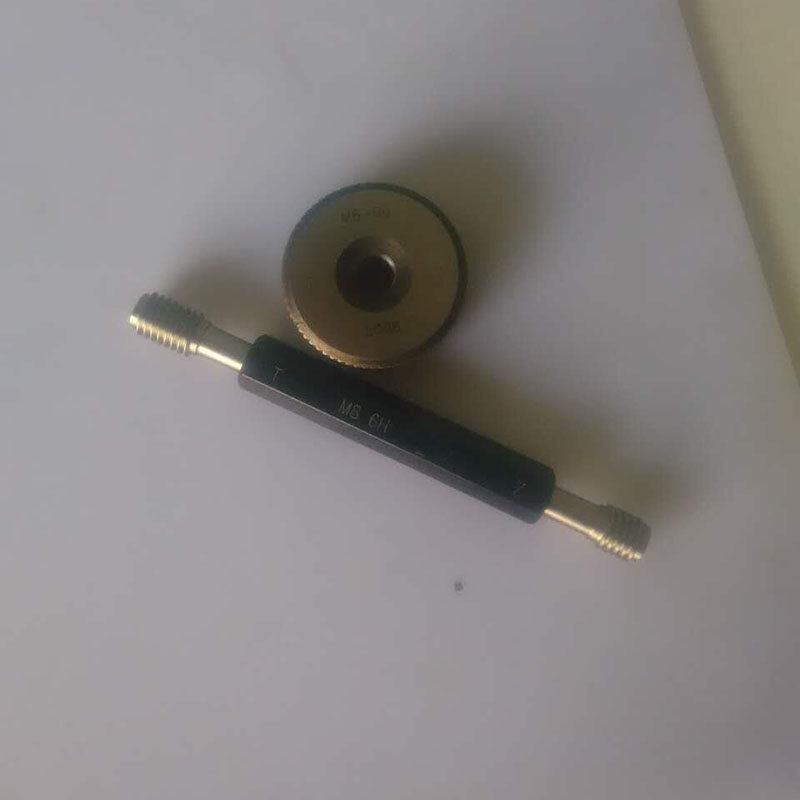
What is the Use of a Thread Ring Gauge_
When it comes to precision in manufacturing and quality control, ensuring the accuracy of threads is

Valvola a farfalla da 50 mm per applicazioni industriali e sistemi di tubazioni
Valvola a Farfalla da 50 mm Un Elemento Chiave per il Controllo dei Fluidi La valvola a farfalla rap
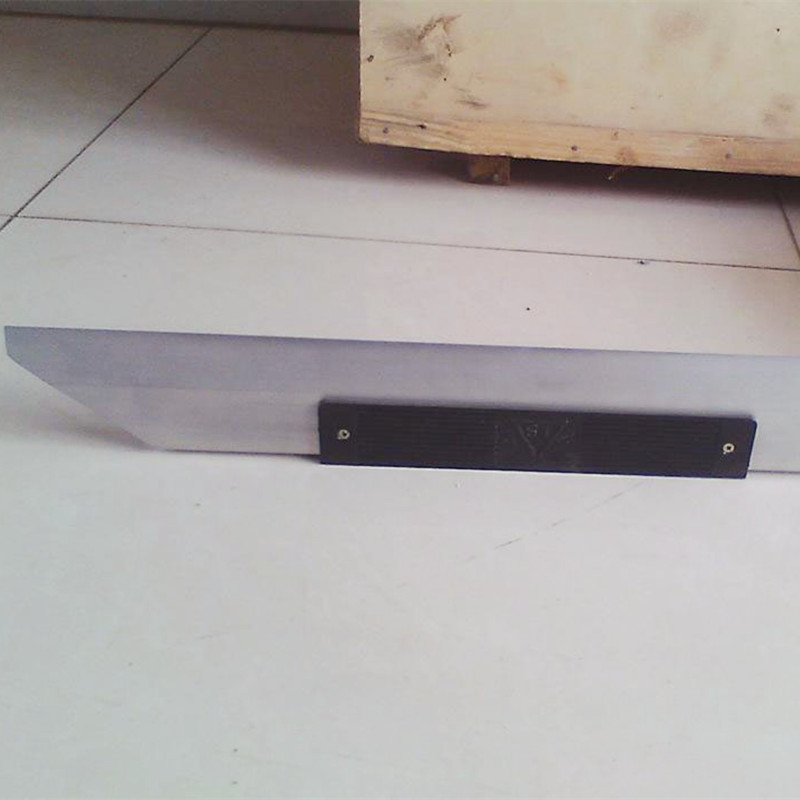
Using a Spirit Level for Accurate Measurements in Construction and DIY Projects
Understanding the Spirit Level A Essential Tool in Precision Measurement The spirit level, an instru
 English